
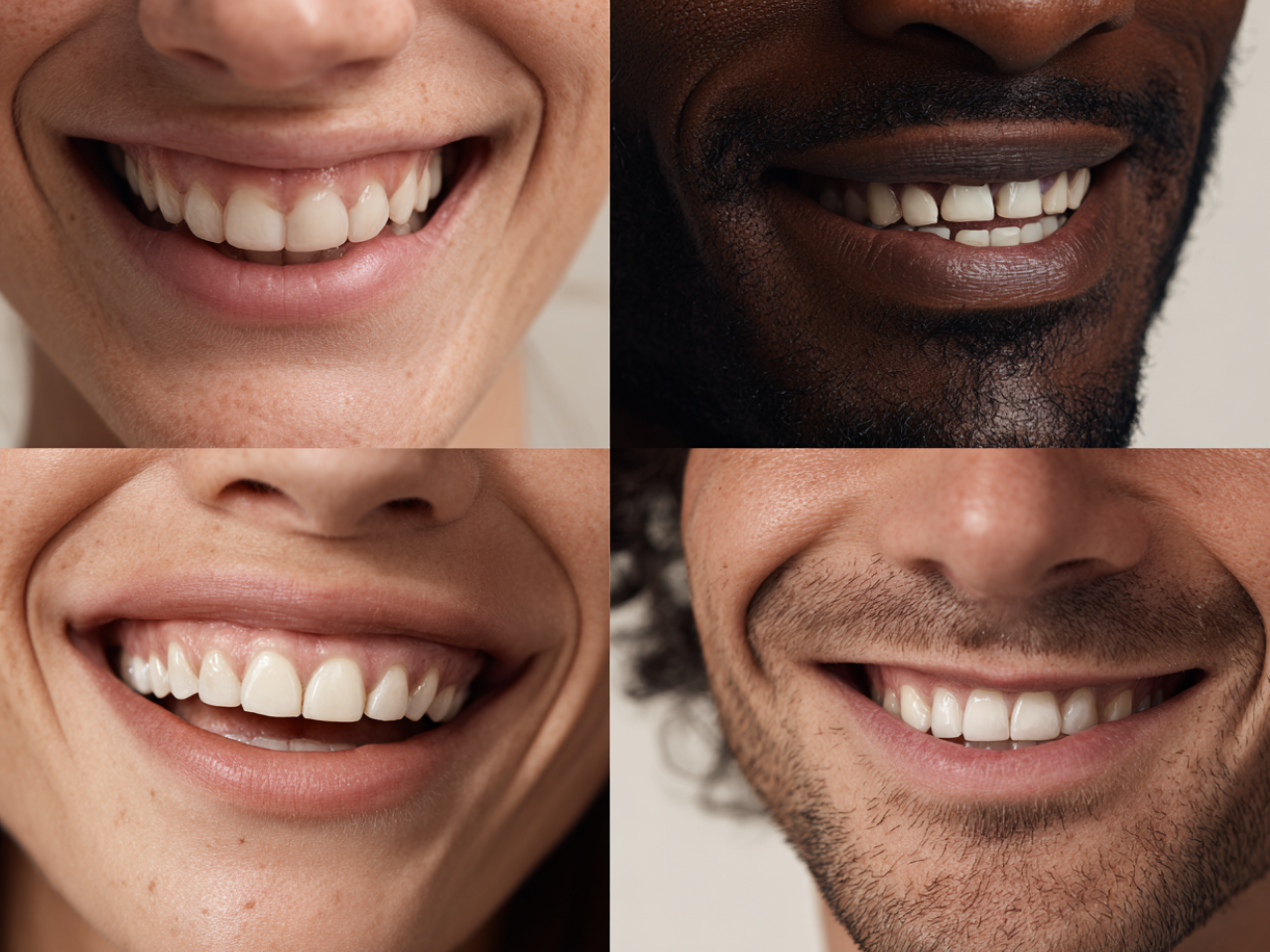
Preventive dentistry is no longer limited to twice-a-year cleanings and basic checkups. Modern preventive care is a comprehensive, proactive approach designed to protect oral health, detect problems early, and reduce the need for complex treatment over time. As technology and clinical standards continue to evolve, preventive dentistry has become one of the most important foundations of long-term dental wellness.
This guide explores what modern preventive dentistry truly involves, how it has changed in recent years, and why it plays a critical role not only in oral health, but in overall wellbeing.
What Preventive Dentistry Means Today
At its core, preventive dentistry focuses on maintaining healthy teeth and gums while identifying risks before they turn into problems. Unlike reactive dental care, which treats issues after symptoms appear, preventive dentistry emphasizes early detection, risk assessment, and ongoing monitoring.
Modern preventive care combines clinical expertise with advanced diagnostic tools. Dentists today can evaluate enamel integrity, gum health, bite alignment, and bone structure with a level of precision that simply wasn’t possible in the past. This allows for more accurate diagnoses and more conservative treatment options.
Preventive dentistry also recognizes that oral health is dynamic. Teeth and gums change over time due to factors such as age, diet, stress, habits, and overall health. Regular preventive visits allow dental teams to track these changes and adapt care plans accordingly.
The Role of Technology in Preventive Care
Technology has transformed preventive dentistry into a far more precise and informative process. Digital imaging, intraoral cameras, and advanced scanning systems allow dentists to detect subtle issues that may not yet be visible to the naked eye or noticeable to the patient.
Digital X-rays reduce radiation exposure while providing high-resolution images that reveal early decay, bone changes, and hidden infections. Intraoral cameras give patients a clear view of their own teeth and gums, improving understanding and engagement in their care.
These tools are especially valuable for monitoring conditions over time. Comparing images from previous visits helps identify progression or stability, allowing for timely intervention when needed and reassurance when things are healthy.
Preventive dentistry today is not about doing more—it’s about seeing more and acting earlier.
Why Early Detection Matters
Many dental issues develop quietly. Cavities, gum disease, and bite-related wear often progress without pain in their early stages. By the time discomfort appears, treatment may already be more involved.
Early detection allows dentists to intervene conservatively. Small areas of decay may be managed with minimally invasive restorations. Early gum inflammation can often be reversed before it leads to bone loss. Bite imbalances can be addressed before they cause fractures or chronic jaw discomfort.
Preventive dentistry reduces the likelihood of dental emergencies, complex procedures, and unexpected treatment costs. It also helps preserve natural tooth structure, which is always preferable to replacement.
Preventive Dentistry and Gum Health
Gum health is a central focus of modern preventive care. Healthy gums provide the foundation for healthy teeth, yet gum disease remains one of the most common oral health conditions among adults.
Preventive visits include detailed evaluations of gum tissue, pocket depths, and signs of inflammation. These assessments help identify gingivitis or early periodontal disease before significant damage occurs.
Modern preventive care emphasizes personalized hygiene strategies. Factors such as brushing technique, flossing habits, and lifestyle choices all influence gum health. Tailored recommendations help patients maintain healthier gums between visits and reduce long-term risk.
Because gum disease has been linked to systemic conditions such as heart disease and diabetes, maintaining gum health is an important part of overall wellness.
Preventive Care Beyond Teeth
Preventive dentistry goes beyond teeth and gums. Comprehensive oral exams evaluate the entire mouth, including soft tissues, jaw joints, and bite alignment.
Oral cancer screenings are a critical component of preventive care. Early detection significantly improves outcomes, and routine screenings are a simple but essential part of modern dental exams.
Bite analysis and wear assessment help identify issues such as clenching, grinding, or misalignment. Left untreated, these problems can lead to fractures, headaches, and jaw discomfort over time.
Preventive dentistry considers how all these elements work together, creating a more complete picture of oral health.
The Importance of Consistency
Preventive dentistry works best when it is consistent. Regular visits allow dental teams to establish baselines, monitor changes, and respond proactively.
Skipping routine care often leads to problems being discovered later, when treatment is more complex and time-consuming. Consistent preventive visits help patients stay ahead of potential issues and maintain stability over time.
Preventive care also supports better outcomes for future dental treatments. Healthy gums, stable teeth, and accurate records make restorative and cosmetic procedures more predictable when they are needed.
A Personalized Approach to Prevention
No two patients have the same oral health needs. Modern preventive dentistry recognizes this by tailoring care plans based on individual risk factors, health history, and goals.
Some patients may require more frequent cleanings due to gum sensitivity or medical conditions. Others may benefit from targeted preventive treatments or specific home-care recommendations.
Personalized prevention ensures that care is efficient, appropriate, and aligned with long-term health—not generic or one-size-fits-all.
Prevention as an Investment in Long-Term Health
Preventive dentistry is an investment in comfort, function, and peace of mind. By prioritizing early detection and ongoing care, patients can avoid many of the issues that lead to extensive treatment later in life.
Modern preventive dentistry combines clinical expertise, advanced technology, and patient education to support lasting oral health. It is the foundation upon which confident, healthy smiles are built.
For more information on routine care and evaluations, visit our General Dentistry and Exam and Cleaning pages.